
Coconut Charcoal Shipping Times from Indonesia: Production + Transit
How long a coconut charcoal order really takes — production lead time plus sea transit to Europe and the CIS, and the factors that move your ETA.
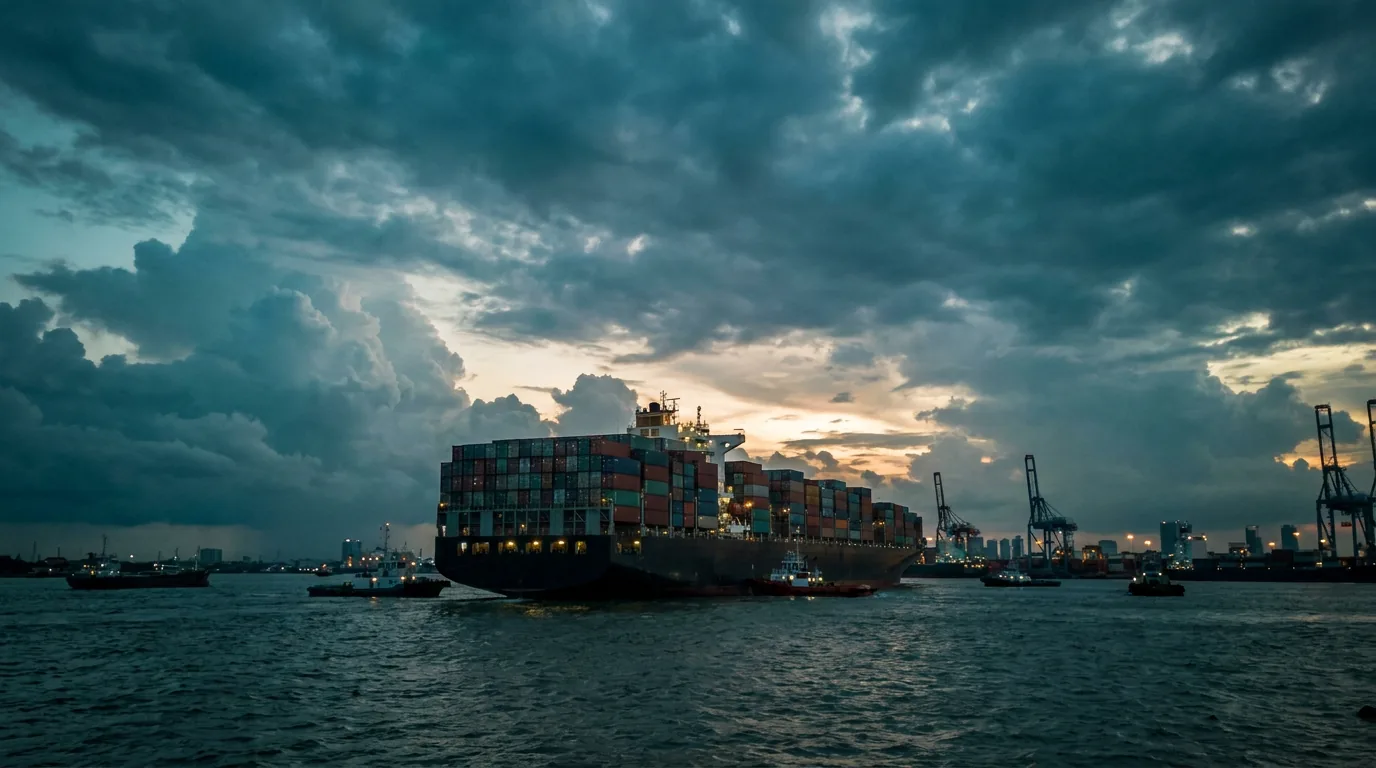
The first question most new buyers ask is “how fast can I have it?” The honest answer has two parts: production, then transit. Confuse the two and your planning slips by weeks.
Production comes first
Nothing ships until it is made. For a standard order, count roughly 10 days to produce a 20-ft container and about 14 days for a 40-ft. If you order printed packaging — branded master or inner boxes — add 2–3 weeks for printing, because the boxes are produced before the charcoal is packed into them.
So a plain bulk order is production-ready in around a fortnight; a full private-label run is closer to a month before it even reaches the port.
Then sea transit
From the port of Jakarta, typical sea transit runs:
- Northern Europe (Rotterdam, Hamburg): roughly 4–6 weeks.
- Mediterranean / Black Sea: roughly 4–5 weeks.
- CIS via a European or Black Sea port: the sea leg plus an inland rail or road leg on top.
These are vessel-schedule estimates, not guarantees — sailings are weekly, not daily, so a missed cut-off can cost several days.
End-to-end, realistically
Add it up and a typical order lands about six weeks from deposit to arrival port for bulk, longer for printed private label. Build that into your stock planning so you reorder before you run dry, not after.
What moves the ETA
- Packaging and printing — the single biggest swing on the production side.
- Vessel schedules and transhipment — direct sailings are faster than routes that change ships.
- Port congestion and customs at destination.
- Dangerous-goods paperwork — since IMDG 42-24 every charcoal container ships as UN 1361 class 4.2; the supplier issues the DG declaration and SP 978 statement, so book the container as DG from the start and expect the surcharge.
Plan, don’t gamble
The reliable way to avoid stockouts is simple: agree the lead time in writing before you order, then place your next order while the current container is still in transit. After shipment we provide the bill of lading, invoice and packing list so your broker can clear customs without delay.