
Importing Hookah Charcoal: Customs and Documents (EU and EAEU)
The shipping and customs documents that clear coconut charcoal — bill of lading, commercial invoice, packing list, Certificate of Origin, and the exemption letter that replaces EAC for EAEU markets.
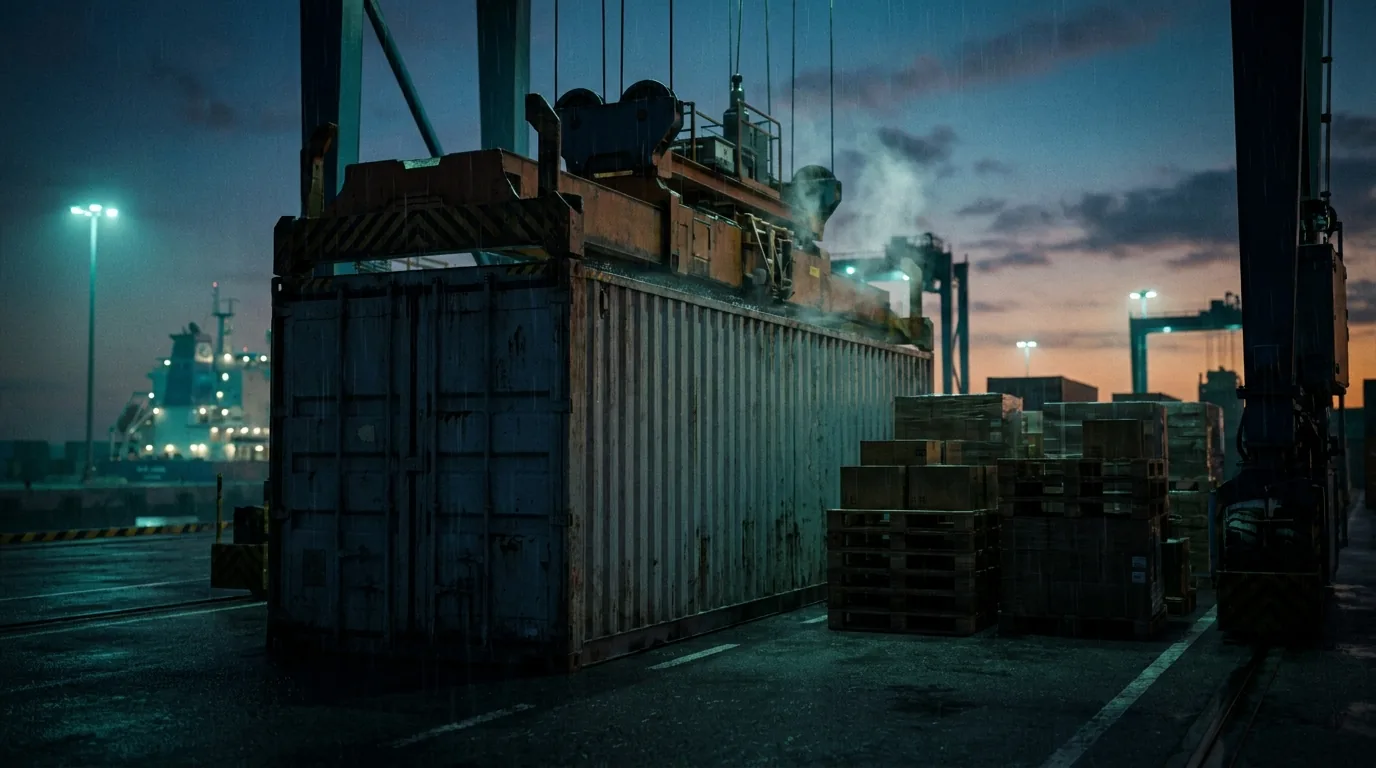
Coconut charcoal is a straightforward commodity to import, but a shipment only moves as fast as its paperwork. A missing Certificate of Origin or an incomplete packing list can hold a container at the port for days. Here is the document set that actually clears coconut charcoal into the EU and EAEU, and who is responsible for each piece.
The standard export pack
Every shipment from our factory in Tangerang, Banten leaves with three core documents, included with FOB terms:
- Bill of lading — the carrier’s contract and proof the goods were loaded. The original is also the title document your bank or broker may need to release the cargo.
- Commercial invoice — states the goods, value, Incoterm, and parties. Customs uses it to assess duty and VAT.
- Packing list — itemises Master Box and Inner Box counts, net and gross weights, and carton dimensions.
These three travel with the goods regardless of destination. For a standard MOQ of 19 tonnes in one 20ft FCL, they describe the full container load.
Certificate of Origin
A Certificate of Origin confirms the charcoal was produced in Indonesia. It matters for two reasons: it can reduce duty where a preferential trade arrangement applies, and it is mandatory for EAEU customs clearance. We arrange this document with the goods so it matches the commercial invoice exactly — mismatched weights or values between the two are a common cause of delay.
EAC and the exemption letter for EAEU markets
If you are importing into the Eurasian Economic Union (EAEU), the question customs, marketplaces and retail chains ask is whether the goods need an EAC conformity document. Hookah charcoal falls outside every EAEU technical regulation, so there is no mandatory EAC certificate or declaration for it; what importers hold instead is an exemption letter (otkaznoe pismo) from an accredited certification body stating that no conformity assessment applies. It is tied to the product, not to a single shipment, so it is obtained once and reused. We arrange it with a partner laboratory before the vessel sails.
Dangerous-goods declaration, SHT and VWT
Charcoal is UN 1361, IMDG class 4.2, packing group III. Until 2025 a self-heating test (SHT, UN N.4) report let a consignment be booked as non-dangerous cargo; IMDG Amendment 42-24, mandatory from 1 January 2026, removed that exemption. Every container now ships as declared class 4.2 with a dangerous-goods declaration and a statement under special provision 978 (at least 14 days of weathering after carbonisation, product below 40 °C at packing), both issued by the supplier. The SHT report and, where a carrier asks for it, a VWT (Vanning Weather Test) survey stay in the file as stability evidence. Book the container as UN 1361 from the start and expect a DG surcharge on the freight.
Who handles what under FOB
Under FOB Jakarta, the division of work is clear. We deliver the goods loaded on board with the standard export pack, Certificate of Origin, and any required shipping-test documentation. From the ship’s rail onward, your freight forwarder and customs broker handle ocean freight, insurance, import customs entry, duty and VAT, and inland delivery. If you prefer us to carry more of that chain, CIF, CFR, or DAP shift the responsibilities accordingly, and pallets within Europe are available for smaller follow-on orders.
A short pre-shipment checklist
Before the container is booked, confirm you have:
- Bill of lading, commercial invoice, and packing list aligned on weights and values
- Certificate of Origin matching the invoice
- Exemption letter (otkaznoe pismo) in hand if the destination is an EAEU market
- Dangerous-goods declaration and SP 978 statement from the supplier; SHT/VWT reports if your carrier asks for them
- A nominated customs broker briefed on the commodity and HS code
Get these lined up before the vessel sails and clearance becomes routine rather than a scramble at the port.