
Coconut Charcoal Certifications for Import: ISO, COA, EAC and DG Papers
The certificates and lab documents that keep a charcoal shipment moving — ISO 9001, an independent lab COA, Certificate of Origin, the EAC exemption letter for the EAEU, and the dangerous-goods papers since IMDG 42-24.
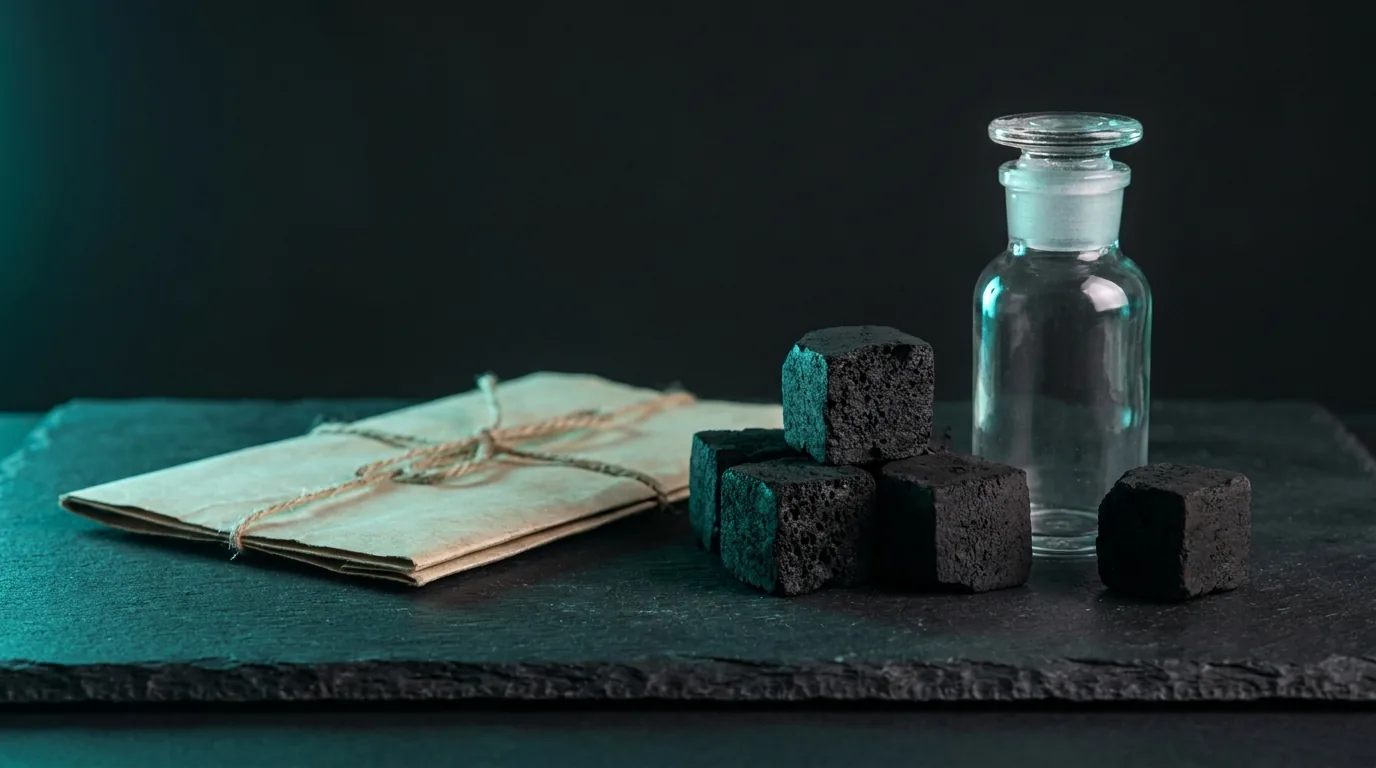
A container of coconut charcoal can be excellent and still sit at port for weeks if a single document is missing. For a wholesale buyer, paperwork is part of the product. Here is what each certificate does and why it matters.
ISO 9001: the production standard
ISO 9001 is not a test of the charcoal itself — it is a management-system standard that confirms the factory runs to documented, repeatable processes. For you, that is the difference between a one-off good batch and a supplier who can reproduce the same spec container after container. It is the baseline credential to expect from any serious manufacturer, ours included.
Independent lab COA
Where ISO speaks to process, a Certificate of Analysis speaks to the actual goods. An independent laboratory measures the key figures — ash content, burn time, drop-test result — on samples from the production. Our charcoal is tested this way, with results such as ash held at 1.8–2.0%, burn time above two hours, ignition around nine minutes and a drop test of 0/10. Independent labs such as Beckjorindo or Carsurin carry out this work, so the numbers come from a third party rather than the seller’s own marketing.
Certificate of Origin
The Certificate of Origin states where the goods were made — in our case, Indonesia. Customs authorities use it to apply the correct duty rate and any trade-agreement preferences. It is a routine but essential document; without it, clearance slows and tariffs may default to the highest applicable rate.
EAC for EAEU markets
If you import into the Eurasian Economic Union (EAEU), customs, marketplaces and chains will ask for an EAC document. Hookah charcoal is outside every EAEU technical regulation, so no EAC certificate or declaration exists for it; the document that answers the question is an exemption letter (otkaznoe pismo) from an accredited body confirming that no conformity assessment applies. Get it before the container ships; we arrange it with a partner laboratory.
Dangerous-goods papers, SHT and VWT
Charcoal is UN 1361, IMDG class 4.2, packing group III. Until 2025 an SHT (Self-Heating Test, UN N.4) report could exempt a consignment from the class; IMDG Amendment 42-24, mandatory from 1 January 2026, ended that. Every container now moves as declared class 4.2 with a dangerous-goods declaration and a special provision 978 statement (14 days of weathering, product below 40 °C at packing) from the supplier. The SHT report and a VWT (Vanning Weather Test) survey, where the carrier asks for one, remain useful as stability evidence, not as classification documents.
What to request before you order
Ask for the document set before you place the order, not after. A serious supplier should be able to send the ISO 9001 certificate, a recent independent lab COA, and a sample Certificate of Origin without hesitation, and to issue the dangerous-goods declaration and, for the EAEU, the exemption letter. If a supplier is slow or vague on any of these, treat it as a signal about how the rest of the relationship will run.